

Companionship
Friendly support to keep hobbies, social time, outings and meaningful everyday activities part of the week.

What we do
We help people stay connected to their routines, interests and independence with flexible home care, companionship, respite support and dementia-informed care.
Flexible care
Regular visits, one-off support and more involved care plans shaped around each person.
Real relationships
Consistent, respectful carers who take time to understand the person behind the plan.
Living well
Support focused on safety, confidence, activity and the small moments that make home feel like home.
Our support
Our support is built around what people want to keep doing, where they feel most comfortable, and the level of help that makes daily life easier.
Friendly support to keep hobbies, social time, outings and meaningful everyday activities part of the week.

Patient, practical help with day-to-day routines so older people can feel safer, steadier and more confident at home.

Sensitive dementia support that protects independence, confidence and familiar routines for people diagnosed earlier in life.

Calm, structured care that helps people living with dementia continue to enjoy the people, places and activities they love.
Personalised care packages for everyday living, planned around preferences, mobility, meals, comfort and family priorities.

Temporary support for family carers, hospital-to-home transitions, appointments or moments when an extra pair of hands is needed.

Dependable visits with time for proper conversation, careful support and continuity between the person and their carer.

Activity-based support such as reading, art, walking and gentle social sessions that help days feel active and purposeful.
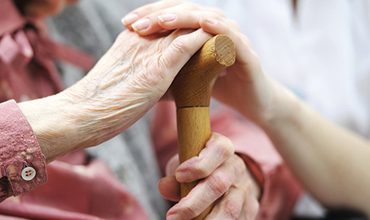
One-to-one cognitive stimulation activities for people living with mild to moderate dementia, tailored to interests and ability.
How care starts
Good care starts by listening. We learn what matters most, agree the support that feels right, then keep reviewing the plan as needs change.
We talk through routines, health needs, goals, risks, preferences and the family support already in place.
The plan sets out what support is needed, when it happens, and how carers should deliver it with dignity.
As needs change, we adjust the support so care remains practical, safe and genuinely useful.
The right support
If someone's care needs move beyond what can be safely supported at home by our team, we will be clear, compassionate and practical about next steps.
Tell us what daily life looks like now and what would make it easier. We will help you understand which support options fit best.
Contact us